How to Germinate Cycad Seeds
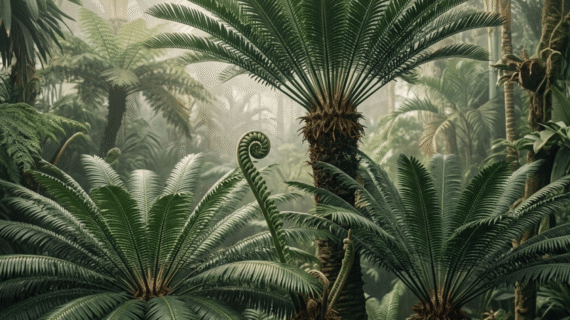
Cycads are among the oldest seed plants on Earth, with an evolutionary history dating back more than 250 million years. Often called “living fossils,” these remarkable plants have survived multiple mass extinction events and continue to fascinate collectors with their prehistoric appearance and slow, deliberate growth.
Growing cycads from seed requires a different mindset than growing most tropical plants. Whether you’re cultivating Cycas dentata, Cycas currani, or other species, success depends less on speed and more on patience. Cycad seeds germinate slowly, often irregularly, and may take months before showing any visible signs of life.
This guide explains how to germinate cycad seeds, including proper soaking techniques, sowing methods, realistic germination timelines, and the most common mistakes to avoid.
Understanding Cycad Seed Germination
Unlike many flowering plants, cycad seeds do not germinate quickly after sowing. Their embryos continue developing gradually, and individual seeds from the same batch often germinate at different times.
It is perfectly normal for one seed to sprout after six weeks while another from the same fruit remains dormant for several months.
Successful cycad growers understand that slow germination is part of the plant’s natural biology rather than an indication that something is wrong.
Start with Fresh, Viable Seeds
Fresh seeds provide the highest chance of successful germination.
When purchasing cycad seeds:
- Buy from reputable suppliers.
- Confirm that the seeds are recently harvested whenever possible.
- Avoid seeds showing signs of mold, cracks, or excessive shriveling.
- Sow seeds soon after receiving them rather than storing them for extended periods.
Although some cycad seeds remain viable longer than many tropical species, freshness still plays an important role in achieving strong germination rates.
Soaking Cycad Seeds Before Planting
Proper soaking helps prepare the seed for germination by softening the fleshy outer layer and improving water absorption.
Recommended Soaking Method
- Place the seeds in clean, room-temperature water.
- Soak for 2–5 days.
- Replace the water every 24 hours to reduce bacterial growth.
- Remove any floating debris or decaying material.
Changing the water daily helps keep the seeds clean throughout the soaking period.
Should You Remove the Seed Coat?
Many experienced growers remove the fleshy outer sarcotesta before sowing.
Removing this outer layer offers several advantages:
- Reduces the risk of fungal growth.
- Minimizes bacterial decay.
- Improves air circulation around the seed.
- Makes inspection easier during germination.
Only remove the soft outer flesh.
Do not damage or crack the hard inner seed coat, as this protects the developing embryo.
Choosing the Best Germination Medium
Cycad seeds require a growing medium that drains quickly while retaining moderate moisture.
Suitable media include:
- Coarse sand
- Perlite
- Pumice
- Cactus or succulent potting mix
- Perlite mixed with coarse peat or coconut coir
Avoid dense garden soil or mixes that remain constantly wet.
Good drainage is essential because cycad seeds spend many weeks or months in the soil before roots develop.
How to Sow Cycad Seeds
Correct positioning encourages healthy root and shoot development.
Place each seed:
- Horizontally
- Half-buried in the growing medium
- With the embryo (“eye”) facing sideways or slightly upward
Do not bury the seed completely.
Keeping part of the seed exposed improves air circulation and reduces the likelihood of rot.
Ideal Germination Conditions
Temperature
Most tropical and subtropical cycads germinate best between:
24–30°C (75–86°F)
Consistent warmth encourages steady embryo development.
Avoid exposing seed trays to cold temperatures or sudden fluctuations.
Moisture
Keep the growing medium evenly moist but never saturated.
Excess water prevents oxygen from reaching the seed and is one of the leading causes of failure.
Think of the medium as damp rather than wet.
Light
Seeds do not require intense sunlight during germination.
Place containers in bright, indirect light or light shade where temperatures remain stable.
How Long Do Cycad Seeds Take to Germinate?
One of the defining characteristics of cycads is their slow and unpredictable germination.
Typical germination ranges from:
- 6 weeks
- 3 months
- 6 months
- Occasionally even longer for certain species
Even under ideal conditions, seeds from the same batch rarely germinate simultaneously.
Patience is essential.
Avoid discarding ungerminated seeds simply because neighboring seeds have already sprouted.
Caring for Newly Germinated Seedlings
The first structure to emerge is usually the primary root.
Only after the root establishes itself does the first leaf begin to develop.
Young seedlings benefit from:
- Bright filtered light
- Warm temperatures
- Moderate humidity
- Excellent drainage
- Gentle watering
Allow the growing medium to remain consistently moist without becoming waterlogged.
Avoid fertilizing until the seedling has developed healthy leaves and an active root system.
Common Mistakes When Germinating Cycad Seeds
Giving Up Too Early
Perhaps the most common mistake is assuming the seeds have failed after only a few weeks.
Many viable cycad seeds simply require more time.
Overwatering
Excess moisture encourages fungal diseases and seed rot long before germination occurs.
Drainage is more important than frequent watering.
Planting Too Deep
Completely burying the seed reduces oxygen availability and may delay or prevent successful germination.
Half-burying the seed provides a better balance between moisture and airflow.
Using Contaminated Growing Media
Because cycad seeds remain in the soil for extended periods, contaminated media can allow fungi and bacteria to multiply.
Using clean containers and sterile potting materials significantly improves success.
Constantly Disturbing the Seeds
Digging up seeds to check for progress often damages newly forming roots.
Once sown, leave the seeds undisturbed until visible growth appears.
Tips for Better Germination Success
To maximize your chances of success:
- Use freshly harvested seeds whenever possible.
- Soak seeds for 2–5 days, replacing the water daily.
- Remove the fleshy outer coating before planting.
- Use a coarse, well-drained growing medium.
- Maintain temperatures between 24–30°C (75–86°F).
- Keep the medium consistently moist but never saturated.
- Label containers with the sowing date.
- Be patient—some seeds naturally require several months to germinate.
Frequently Asked Questions
Why is my cycad seed taking so long to sprout?
Long, uneven germination is completely normal for cycads. Depending on the species and growing conditions, viable seeds may require anywhere from six weeks to more than six months before producing visible growth.
Should I remove the fleshy seed coat before planting?
Yes. Removing the soft outer sarcotesta is a common practice because it helps reduce the risk of fungal growth and seed rot. Be careful not to damage the hard inner seed coat.
Should cycad seeds be soaked before sowing?
Yes. Soaking seeds for 2–5 days in clean water, with daily water changes, helps soften the outer tissues and promotes more consistent moisture absorption.
Can I germinate cycad seeds indoors?
Yes. Indoor propagation works well if you can maintain warm temperatures, bright indirect light, and a well-drained growing medium.
Why are some seeds sprouting while others are not?
Uneven germination is a natural characteristic of cycads. Seeds from the same batch often germinate weeks or months apart, even under identical conditions.
Final Thoughts
Learning how to germinate cycad seeds is largely an exercise in patience. These ancient plants have evolved to germinate slowly, and their seeds rarely emerge all at once. By starting with fresh seeds, soaking them properly, using a coarse, well-drained growing medium, and maintaining warm, stable conditions, you can significantly improve your chances of success.
Whether you’re growing Cycas dentata, Cycas currani, or another remarkable species, remember that slow progress is entirely normal. Resist the urge to overwater or disturb the seeds, and allow nature to follow its own timeline. With consistent care and realistic expectations, you’ll be rewarded with healthy seedlings that represent one of the oldest surviving plant lineages on Earth.
If you are unsure what to choose, feel free to contact us through email or WhatsApp. We are happy to recommend species based on your climate, experience, and germination goals.