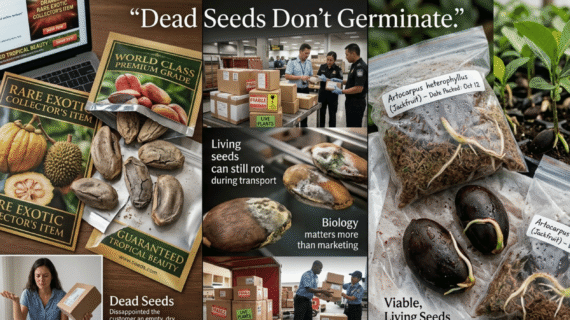
Dead Seeds Don’t Germinate
Dead Seeds Don’t Germinate — But Living Seeds Can Still Rot
Dead Seeds Don’t Germinate. That simple biological fact already explains the difference between truly dead seeds and seeds that were alive before shipment but later deteriorated during transport. Unfortunately, many customers ignore this difference and immediately assume every failed seed automatically proves seller dishonesty.
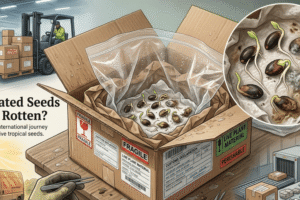
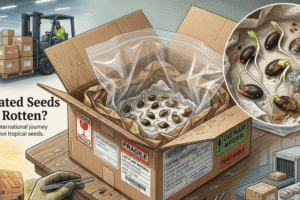
Fresh tropical seeds, especially recalcitrant species, contain moisture, living tissue, and active metabolism. Consequently, they continue to respire and react throughout transit. Because of that, healthy seeds can still rot if excessive heat, poor ventilation, customs delays, physical pressure, or improper repacking affect them during the journey.
In contrast, completely dried recalcitrant seeds usually lose viability long before shipping even starts. They often feel hollow, lightweight, brittle, or severely dehydrated. Simply put, dead seeds remain dead. They do not germinate, produce roots, or suddenly begin active growth during transportation.
Living Seeds Still Depend on Proper Handling
Transport Conditions Matter More Than Many Buyers Realize
Many customers expect live seeds to arrive in perfect condition regardless of shipping duration, customs inspection, weather exposure, or handling quality. However, live tropical seeds are biological material — not plastic merchandise stored safely in a warehouse.
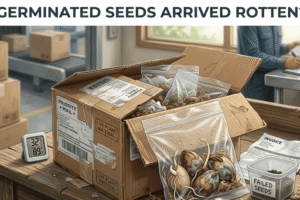
Couriers may stack boxes improperly. Airport cargo areas may overheat. Customs offices may hold packages for days. Furthermore, customers sometimes unpack seeds for inspection and later repack them differently from the original protective setup. Even small changes in airflow, humidity, or temperature can quickly trigger fungal growth and rot.
Nevertheless, some buyers immediately demand refunds not only for the seeds, but also for shipping costs, import taxes, customs fees, and every other expense connected to the order. Unfortunately, that expectation ignores an important reality: international seed importation always involves shared responsibility and biological risk.
Smart Buyers Understand Biological Risks
Not Every Failed Shipment Equals a Scam
Experienced collectors understand that not every damaged seed shipment automatically proves malicious intent. Of course, dishonest sellers exist, and truly dead dried seeds deserve criticism. However, many small nurseries and collectors genuinely try to provide fresh viable material despite difficult shipping conditions and unpredictable international logistics.
In fact, many rare seed sellers operate from personal passion, botanical interest, and years of collecting experience. They do not run massive corporate warehouses with climate-controlled cargo systems. Instead, many simply try to support their hobby while sharing rare species with collectors around the world.
Therefore, smart buyers usually study seed biology, transit risks, species sensitivity, and realistic germination expectations before placing international orders. They understand their own responsibilities after the package arrives, especially when handling live tropical seeds.
Germination Speaks Louder Than Assumptions
Freshness Matters More Than Internet Drama
Healthy germination already proves that seeds were alive before shipment. After all, dead seeds do not suddenly sprout during transit just to disappoint customers later. Consequently, collectors should evaluate seed quality through biology and realistic handling conditions rather than emotional reactions alone.
At Rare Seeds ID, we do not claim perfection because tropical seed exportation always carries risks. However, we continuously focus on freshness, careful packing, honest communication, and responsible handling as a rare seeds exporter from Indonesia.
We humbly invite collectors to judge us through actual seed condition, germination potential, and customer experience — not through assumptions alone. In the end, viable seeds always reveal the truth by growing.
For many collectors, successful seed importation also comes through experience. If your first attempt does not succeed, you can always try again with species that germinate more easily and tolerate shipping better. Our collection includes many beginner-friendly tropical species suitable for first-time growers and importers.
If you are unsure which species to choose, feel free to contact us through email or WhatsApp. We are happy to recommend seeds based on your climate, experience level, and import conditions.