Nephelium Macrophyllum: A Wild Cousin of Rambutan

Nephelium Macrophyllum: A Wild Cousin of Rambutan

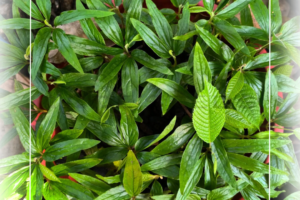
Nephelium Macrophyllum: A Wild Cousin of Rambutan Few growers outside Borneo have encountered Nephelium macrophyllum seeds, a little-known wild relative of rambutan native to the island’s tropical forests. The species belongs to the Sapindaceae family and represents part of Borneo’s remarkable diversity of native fruit trees. Unlike commercially cultivated relatives, however, Nephelium macrophyllum rarely enters …
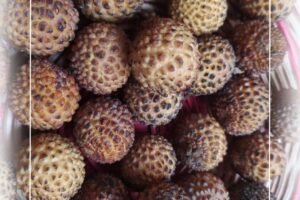
Continue reading →

Growing Dimocarpus Longan, the Dragon’s Eye Fruit

Growing Dimocarpus Longan, the Dragon’s Eye Fruit

Growing Dimocarpus Longan, the Dragon’s Eye Fruit Dimocarpus longan seeds (Longan or Dragon’s Eye) produce an attractive evergreen fruit tree closely related to lychee. The tree develops glossy foliage and produces clusters of sweet, translucent fruit. Its familiar cultivation requirements make longan an approachable choice for tropical fruit enthusiasts. Unlike many uncommon rainforest species, longan …

Continue reading →

Canarium Hirsutum: An Overlooked Rainforest Nut Tree

Canarium Hirsutum: An Overlooked Rainforest Nut Tree

Canarium Hirsutum: An Overlooked Rainforest Nut Tree Canarium hirsutum seeds come from a little-known tropical tree in the Burseraceae family, a diverse group that includes many aromatic and resin-producing species. Native to Southeast Asian forests. Canarium hirsutum attracts interest for its edible kernel, resinous properties, and strong connection to the region’s rainforest flora. Despite these …

Continue reading →

Why Rafflesia Arnoldii Seeds Fascinate Collectors Worldwide

Why Rafflesia Arnoldii Seeds Fascinate Collectors Worldwide

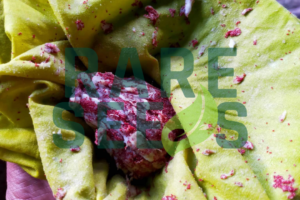
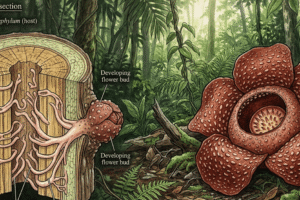
Why Rafflesia Arnoldii Seeds Fascinate Collectors Worldwide The Rafflesia arnoldii seeds (Giant Padma) come from one of the most extraordinary plants in the world. The species responsible for the largest single flower known to science. Unlike conventional plants, Rafflesia arnoldii produces no true leaves, stems, or roots. Instead, it spends most of its life almost …

Continue reading →

How to Germinate Cycad Seeds: Complete Beginner’s Guide

How to Germinate Cycad Seeds: Complete Beginner’s Guide

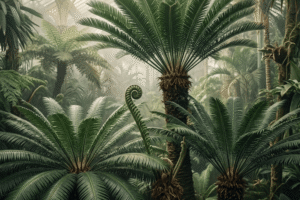
How to Germinate Cycad Seeds Cycads are among the oldest seed plants on Earth, with an evolutionary history dating back more than 250 million years. Often called “living fossils,” these remarkable plants have survived multiple mass extinction events and continue to fascinate collectors with their prehistoric appearance and slow, deliberate growth. Growing cycads from seed …

Continue reading →

Amorphophallus Titanum (Titan Arum) Seeds: Growing Guide for Beginners

Amorphophallus Titanum (Titan Arum) Seeds: Growing Guide for Beginners

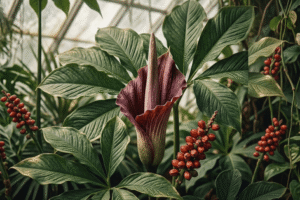
Amorphophallus Titanum (Titan Arum) Seeds: Growing Guide for Beginners Growing Amorphophallus titanum, commonly known as the Titan Arum, is one of the most rewarding long-term projects for tropical plant enthusiasts. Famous for producing the world’s largest unbranched inflorescence and its unmistakable carrion scent during flowering, this remarkable species has become a prized addition to botanical …

Continue reading →

Why Rare Seed Germination Rates Are Never 100%

Why Rare Seed Germination Rates Are Never 100%

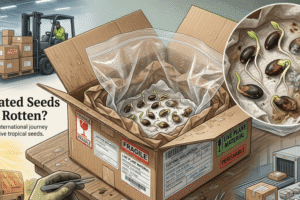
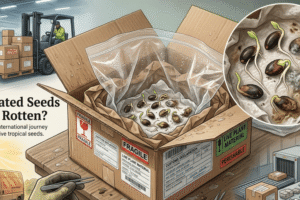
Why Rare Seed Germination Rates Are Never 100% (And What Actually Affects It) One of the most common questions from plant collectors is, “Why didn’t every seed germinate?” Whether growing rare aroids, palms, tropical fruit trees, or rainforest species, many beginners expect every healthy-looking seed to produce a seedling. The reality is that no seed …

Continue reading →

How to Germinate Rafflesia and Corpse Flower Seeds: What Every Collector Should Know

How to Germinate Rafflesia and Corpse Flower Seeds: What Every Collector Should Know

How to Germinate Rafflesia and Corpse Flower Seeds Many tropical plant enthusiasts search for how to germinate Rafflesia and corpse flower seeds, assuming these two extraordinary plants grow in similar ways. Although both produce enormous flowers and originate from Southeast Asian rainforests, their biology differs completely. Understanding these differences is essential before purchasing seeds or …

Continue reading →